About Laminar Flow Operating Theatre
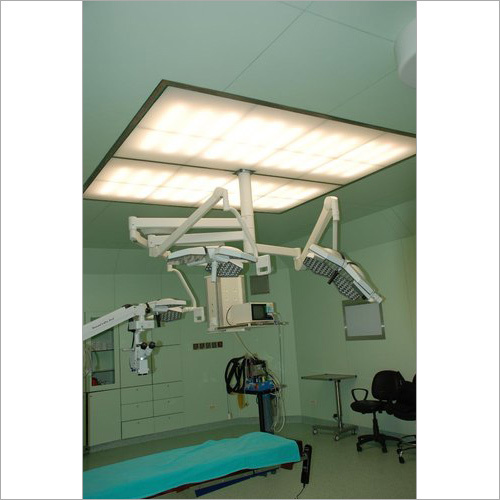
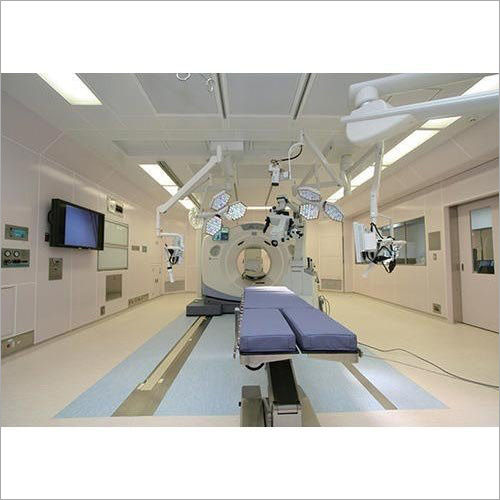
We are providing a wide array of Laminar Flow Operating Theatre. It is used to keep the air clean of dust and microorganisms. Therefore, provided theatre is contributing to the improvement of Hospital areas and reducing the risk of infection by designing. It creates an extremely homogeneous laminar flow with very little turbulence. Laminar Flow Operating Theatre is effectively used to reduce the number of infective organisms in the theatre air. It is easy to maintain for longer years.
Specification
| Noise level | 60dB |
| Particle retention | 0.3 micron |
| Velocity | 90FPM |
| Brand | Kaizen |
| Material | Steel |
| Built Type | Modular |
| Usage/Application | Hospital |
Advanced Air Filtration and ControlThis operating theatre integrates a three-stage filtration system, including HEPA filters with 99.99% efficiency at 0.3 microns. Microprocessor-based controls maintain air velocity (0.30.5 m/s), 1520 Pa positive pressure, and 2560 air changes per hour. The system ensures a consistent, sterile environment essential for infection prevention in critical surgeries.
Optimized Lighting and ErgonomicsEquipped with energy-efficient recessed LED and shadowless lamps, the theatre achieves illumination levels above 300 Lux. The ergonomic design, complete with customizable dimensions and modular interlocking construction, facilitates seamless workflow, promoting medical precision and maintaining a contaminant-free atmosphere.
Durable and Hygienic ConstructionConstructed with powder-coated GI panels, hermetically sealed doors, and toughened double-glazed glass, the theatre offers a clean, durable, and low-maintenance environment. The use of antimicrobial sealing materials and epoxy antistatic vinyl flooring further enhances hygiene and safety standards, crucial for any surgical facility.
FAQs of Laminar Flow Operating Theatre:
Q: How does the HEPA filtration ensure a sterile environment in the operating theatre?
A: HEPA filtration captures 99.99% of airborne particles down to 0.3 microns, drastically reducing the risk of airborne contamination. Combined with 2560 air changes per hour and a double-skin air handling system, this setup maintains ISO Class 1001000 cleanliness, safeguarding both patients and medical personnel during procedures.
Q: What benefits does the microprocessor-based control panel offer for surgical operations?
A: The microprocessor-based control panel allows precise regulation of air velocity, temperature (20C24C), humidity (5060%), and pressure differential (1520 Pa). This ensures the environment remains optimal for surgeries, offering responsive adjustments as needed and consistently meeting stringent medical standards.
Q: When should the operating theatres air filters be serviced or replaced?
A: Filter replacement schedules depend on usage and local air quality, but typically, prefilters are checked every 36 months, with HEPA filters requiring inspection or replacement every 1224 months. Regular maintenance by qualified professionals is advised to uphold desired air quality and operational safety.
Q: Where can this modular operating theatre be installed?
A: The theatre is designed for flexibility and can be installed in hospitals, specialty clinics, or medical centers. Its modular, customizable nature allows easy assembly in new constructions or within existing hospital structures, adjusting to space and layout requirements.
Q: What process is followed for installing the laminar flow operating theatre?
A: Installation involves site assessment, customization of size and specifications, delivery of prefabricated modular panels, and on-site assembly. Skilled technicians manage integration of electrical, HVAC, and control systems, ensuring reliability, compliance with standards, and rapid deployment.
Q: How is user comfort and safety ensured during surgical procedures?
A: With noise maintained below 60 dB(A), bright 300+ Lux shadowless lighting, positive air pressure, and consistent temperature and humidity control, the theatre guarantees a comfortable, safe environment. Antimicrobial coatings and seamless finishes further enhance patient and staff protection from infection.


 We'are Open: Mon - Sat 10:00 AM - 7:00 PM






 Send Inquiry

 Send Inquiry
 Send Inquiry
 Send SMS
 Call Me Free
 English
 Spanish
 French
 German
 Italian
 Chinese (Simplified)
 Japanese
 Korean
 Arabic
 Portuguese